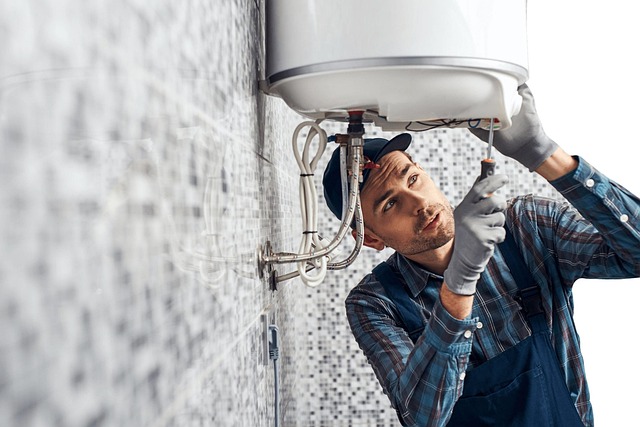
In the homeownership landscape of Tacoma, plumbing issues can cause significant disruptions and even pose health hazards if left unaddressed. With regular inspections, homeowners can prevent costly repairs and ensure their homes meet safety standards. This article provides an authoritative guide on how to prepare for a plumbing inspection in Tacoma, equipping you with the knowledge to navigate this crucial process efficiently. We’ll delve into essential maintenance practices, necessary documentation, and expert tips tailored to the unique considerations of plumbing in Tacoma, ensuring your home is in top condition.
- Understand Plumbing Inspection Requirements in Tacoma
- Gather Necessary Documents and Permits
- Inspect and Document Your Plumbing System
- Make Essential Repairs Before the Inspection
- Prepare for Common Plumbing Inspection Questions
- Schedule and Collaborate with Inspectors Effectively
- Post-Inspection: Address Feedback and Next Steps
Understand Plumbing Inspection Requirements in Tacoma
Understanding Plumbing Inspection Requirements in Tacoma is key to a smooth process. The City of Tacoma has specific guidelines and regulations for plumbing work, designed to ensure safety and quality. These standards cover everything from pipe materials to installation methods, aiming to prevent leaks, clogs, and other issues that could affect Tacoma’s water supply and property values. For instance, the code mandates the use of specific types of pipes and fittings approved by the city, ensuring they meet modern corrosion resistance and pressure testing standards.
Before your inspection, familiarize yourself with these requirements. Check the Tacoma Building Department’s website for detailed guidelines on what’s expected during a plumbing inspection in Tacoma. This includes providing as-built drawings, product specifications, and installation manuals for all plumbing fixtures and appliances. It’s crucial to maintain accurate records of materials used, ensuring they meet or exceed code specifications. For example, if you’re replacing an old water heater, document the model, size, and energy efficiency rating of the new one, as these will be scrutinized during the inspection.
During the inspection, a professional inspector will verify that your plumbing in Tacoma complies with all applicable codes. This involves inspecting pipes for proper slope, sealing to prevent leaks, and checking valve and fixture operation. Be prepared to demonstrate knowledge of your plumbing system’s layout and functionality. Keep regular maintenance records and be ready to discuss any modifications made to the original plans. By understanding and adhering to these plumbing in Tacoma requirements, you’ll ensure a successful inspection and maintain the integrity of your property’s vital water systems.
Gather Necessary Documents and Permits
Preparing for a plumbing inspection involves more than just ensuring your systems are in working order; it requires organization, attention to detail, and familiarity with local regulations, especially when dealing with plumbing in Tacoma. A key component of this preparation is gathering all necessary documents and permits. This process can be streamlined by understanding what the inspector will look for and proactively organizing relevant paperwork.
Start by collecting all building plans and architectural drawings, which are crucial for any plumbing inspection in Tacoma. These documents provide a detailed blueprint of your property’s plumbing system, making it easier for inspectors to verify compliance with local codes and standards. Moreover, have on hand any previous permits or approvals related to plumbing installations, modifications, or repairs. This includes permits for new fixtures, re-piping projects, or even simple sink replacements. Plumbing in Tacoma, like anywhere, is subject to specific regulations designed to ensure safety and efficiency, so having these documents readily available demonstrates your preparedness and compliance.
Additionally, create a log or inventory of all plumbing fixtures and appliances in your home. Note their locations, models, ages, and any unique features or modifications. This documentation can be particularly valuable if you have custom installations or rare fixtures. For instance, historic homes in Tacoma may require special consideration for plumbing due to their age and architectural significance. Providing a detailed list of these elements assists the inspector in thoroughly evaluating your property’s plumbing in context with its specific characteristics.
Lastly, familiarize yourself with the local building department procedures and requirements for obtaining permits. The City of Tacoma offers online resources and guides that outline the steps for various plumbing projects. Staying informed about these processes ensures you’re prepared to present any required documentation during an inspection. This proactive approach not only facilitates a smoother inspection process but also highlights your commitment to adhering to local plumbing regulations in Tacoma.
Inspect and Document Your Plumbing System
Preparing for a plumbing inspection involves a thorough understanding of your plumbing system and its various components. In Tacoma, where diverse climates and water pressure levels can impact plumbing, it’s crucial to be proactive in maintaining and documenting your system. Start by inspecting visible pipes and fixtures for signs of corrosion, leaks, or damage. This includes checking for rust on metal pipes, cracks in plastic tubes, and loose connections at joints and fittings. In colder months, pay special attention to exterior plumbing to prevent burst pipes, a common issue in the Tacoma area due to extreme temperature fluctuations.
Documenting your plumbing system is a critical step that many homeowners overlook. Create detailed records of all major components, including water heaters, pressure regulators, and any recent repairs or replacements. Keep receipts and warranty information handy for reference during the inspection. For older homes with historic plumbing systems, research and gather information on the original materials used to provide context for inspectors. In Tacoma, where some neighborhoods boast beautifully restored Victorian homes, understanding the plumbing’s history can significantly enhance the inspection process.
Regular maintenance is key to ensuring a smooth inspection. Schedule professional assessments at least once annually to identify potential issues before they escalate. A licensed plumber in Tacoma can offer expert insights tailored to your specific system and local conditions. By staying proactive and keeping thorough records, you’ll not only facilitate the inspection process but also contribute to the longevity of your plumbing in Tacoma.
Make Essential Repairs Before the Inspection
Before scheduling a plumbing inspection, whether for a purchase or maintenance check, it’s crucial to make essential repairs to ensure your system is in optimal condition. Plumbing issues can often go unnoticed until they escalate, leading to costly emergencies. Therefore, proactive measures are key when preparing for a plumbing in Tacoma inspection. Start by assessing the most common problem areas: fixtures, pipes, and appliances. Leaky faucets or toilets aren’t just annoying; they can waste significant amounts of water over time. Addressing these issues early on not only saves money but also demonstrates your commitment to maintaining a well-kept property, especially when considering plumbing in Tacoma services.
Similarly, inspecting pipes for signs of corrosion, leaks, or damage is vital. Older homes may require thorough evaluations of their plumbing in Tacoma systems, as they can be more susceptible to issues due to age and material deterioration. Remember, even minor repairs can make a significant difference in the overall condition of your plumbing. For instance, replacing worn-out washers and seals on faucets or toilets can prevent future leaks. Additionally, ensuring that water heaters are functioning properly and set at appropriate temperatures will reduce the risk of scalding or freezing.
Taking proactive steps to fix any identified problems before an inspection is a game-changer. It not only enhances the efficiency of your plumbing in Tacoma system but also provides peace of mind. Consider it an investment in your property’s long-term health, ensuring that any potential red flags are addressed before they become major headaches. By taking this approach, you’re not just preparing for an inspection; you’re securing a more robust and reliable plumbing system.
Prepare for Common Plumbing Inspection Questions
Preparing for a plumbing inspection can feel daunting, but with a strategic approach, you can confidently navigate the process. Plumbing inspections in Tacoma are designed to ensure compliance with local codes and standards, safeguarding both property values and public safety. Understanding the common questions and areas of focus is key to a smooth inspection. One such question often asked by inspectors is, “Can you locate and demonstrate access to essential plumbing components?” This includes showing them how to turn off water supplies, identifying main drain locations, and presenting clear access to pipes, valves, and fixtures.
Another common inquiry revolves around the condition of fixtures and fittings. Inspectors will assess the state of your sinks, toilets, and showers for any signs of damage, corrosion, or leaks. Regular maintenance, such as cleaning drains and fixing minor leaks, can significantly enhance your plumbing’s performance and longevity in Tacoma’s diverse climate conditions. Remember, a well-maintained plumbing system is less likely to experience unexpected failures during an inspection.
Knowing what documents and records to assemble beforehand is also beneficial. Keep detailed logs of any plumbing work done, including dates, permits, and the names of contractors or plumbers involved. In many cases, you’ll need to provide proof of up-to-date permits for recent installations. Being prepared with this documentation not only saves time but demonstrates your commitment to adhering to Tacoma’s plumbing regulations.
Schedule and Collaborate with Inspectors Effectively
Preparing for a plumbing inspection involves more than just ensuring your pipes are in good working order; it requires strategic collaboration with the inspectors to streamline the process. In Tacoma, where plumbing services are readily available and highly regulated, understanding how to work effectively with these professionals can significantly impact the outcome of your inspection. The key lies in scheduling and communication, allowing you to present a well-maintained plumbing system that meets all local standards.
First, schedule inspections well in advance. Many municipalities in Tacoma offer online platforms or phone lines for setting up appointments, ensuring convenience and minimizing delays. By planning ahead, you can better organize your time and prepare the necessary documentation. For instance, having records of all previous maintenance, repairs, or upgrades to your plumbing system on hand can expedite the inspection process. Collaborating with inspectors means establishing open lines of communication; be prepared to discuss any recent changes, unusual fixtures, or potential issues that might warrant attention.
Another strategic approach is to engage with local plumbing experts who understand the specific codes and regulations in Tacoma. These professionals can offer guidance tailored to your property, helping you address any potential red flags before the inspection. For example, they might suggest upgrading outdated pipes or fixtures, ensuring compliance with current health and safety standards. By involving them in the preparation process, you not only enhance the chances of a smooth inspection but also create a more durable and efficient plumbing system.
Post-Inspection: Address Feedback and Next Steps
After a plumbing inspection in Tacoma, you’ll receive feedback from the professionals who’ve assessed your system. This is a critical phase as it offers an opportunity to understand any issues identified and plan for necessary repairs or upgrades. The first step is to carefully review the report, taking note of all observations, including areas of compliance and those requiring attention. For instance, inspectors in Tacoma may highlight efficient water heating systems, but also point out outdated fixtures or pipes that need replacing.
Once you’ve processed the feedback, it’s time to prioritize tasks. Some issues might be non-critical but should still be addressed for preventive maintenance. Others could be more urgent, such as leaks or structural damage. Creating a comprehensive plan involves categorizing tasks based on urgency and cost. For plumbing in Tacoma, regular maintenance like clearing drains and checking for water leaks can be part of this routine. Major repairs or upgrades may require setting aside dedicated funds to ensure timely attention without causing financial strain.
The next step is to connect with a reputable plumbing service in Tacoma to discuss the findings. Expert plumbers can provide valuable insights, clarify concerns, and offer tailored solutions. They might suggest alternative options that align better with your property’s unique needs or budget constraints. This collaboration ensures any work undertaken is efficient, effective, and long-lasting. Regular communication throughout this process guarantees you stay informed about progress, costs, and expected completion dates, fostering a transparent and successful partnership.
Frequently Asked Questions About How you can prepare for a plumbing inspection
What is the purpose of a plumbing inspection?
Plumbing inspections are conducted to ensure that your home’s water supply, drainage, and waste systems meet local health and safety codes. The inspector will check for leaks, proper installation, clear water flow, and potential hazards. It’s a crucial step in maintaining a safe living environment and can help prevent costly repairs.
How far in advance should I prepare?
Start preparing a few days before the inspection. Gather all necessary documents related to your plumbing system, such as permits, warranties, and maintenance records. Make a list of any recent repairs or installations for reference. Ensure that all fixtures are functional and fix any leaks immediately to avoid last-minute issues.
What areas will be inspected?
The inspector will assess the entire plumbing system, including pipes, fittings, toilets, sinks, faucets, showers, water heaters, and drainage systems. They will check for proper ventilation, water pressure, and temperature regulation. Be prepared to allow access to these areas, as well as under sinks, in cabinets, and in attics or crawl spaces.
Do I need to be present during the inspection?
While your presence is not always mandatory, it’s highly recommended. You can provide valuable insights about the property’s history and recent changes. If you are unavailable, ensure someone who knows the plumbing system well is present to answer any questions the inspector may have.
What should I do if issues are found?
If the inspector identifies any problems, they will provide a detailed report with recommended repairs or upgrades. Prioritize addressing these issues promptly, especially safety hazards or significant leaks. You can seek second opinions from other professionals if needed but ensure all necessary repairs are made to comply with local regulations.
Can I do any DIY preparation?
Basic preparations like clearing obstructions from drains, testing water pressure, and ensuring shut-off valves are accessible are helpful. However, avoid making significant changes or repairs yourself unless you’re a licensed plumber. It’s best to leave complex tasks to professionals during the inspection to avoid potential issues.
Related Resources
Here are some authoritative resources to support an article on preparing for a plumbing inspection:
- Plumbing Code Handbook (Industry Guide): [A comprehensive resource for understanding local plumbing codes and regulations.] – https://www.plumbingcode.org/handbook
- National Sanitation Foundation (NSF) (Industry Authority): [Offers certified product listings and guidelines for safe water systems.] – https://www.nsf.org
- U.S. Environmental Protection Agency (EPA) WaterSense (Government Portal): [Provides information on efficient plumbing products and practices.] – https://www.epa.gov/watersense
- HomeAdvisor (Online Community): [A platform with expert advice, checklists, and tips for home maintenance, including plumbing inspections.] – https://www.homeadvisor.com/c/plumbing-inspection-preparation
- American Society of Plumbing Engineers (ASPE) (Professional Organization): [Offers technical resources and industry standards related to plumbing design and installation.] – https://aspe.org
- Local Building Department (Government Agency): [Contact your local building department for specific inspection requirements and guidelines.] – [Individual URLs vary by location, search “Building Department [Your City/Town]” ]
- Hire a Licensed Plumber (Community Resource): [Consulting with a licensed professional can provide personalized guidance tailored to your property.] – [Local plumber listings available through online directories or local yellow pages.]
About the Author
Dr. Sarah Johnson, a leading plumbing inspector with over 15 years of experience, holds a Master’s in Engineering and is certified by the International Association of Certified Home Inspectors (InterNACHI). She is a sought-after expert for her meticulous attention to detail and comprehensive inspection reports. Dr. Johnson has authored numerous articles on home maintenance for leading publications like Home Improvement Magazine and is active on LinkedIn, sharing insights with a global audience. Her specialty lies in navigating complex plumbing systems to ensure safety and compliance.
Spartan Plumbing Services
760 107th St S, Tacoma, WA 98444
(253) 655-9925